



Introduction
Rubber stamps may be small in size, but they play a big role in business operations, branding, and personal organization. Whether you need one for an official company seal, a custom logo, or personal craft use, the cost of making a rubber stamp can vary significantly — often more than people expect.
So what exactly influences the price of a rubber stamp? Why do some cost just a few dollars while others run much higher? From materials and size to design complexity and delivery speed, several factors come into play when determining the final price.
This article explores the key factors that determine the cost of making a rubber stamp, helping individuals and businesses make informed decisions when ordering one.
1. Type of Rubber Stamp
One of the biggest factors in the overall cost is the type of stamp you choose. Different types serve different purposes and come with varying production methods.
Self-Inking Stamps
These stamps have an internal ink pad that automatically re-inks the stamp after each use.
- Pros: Convenient, fast stamping, no separate ink pad needed
- Cost: Moderate to high due to the internal mechanism
Pre-Inked Stamps
Pre-inked stamps offer higher resolution impressions and are often used for detailed logos or signatures.
- Pros: Sharp, clean impressions; long-lasting ink
- Cost: Higher than self-inking and traditional rubber stamps
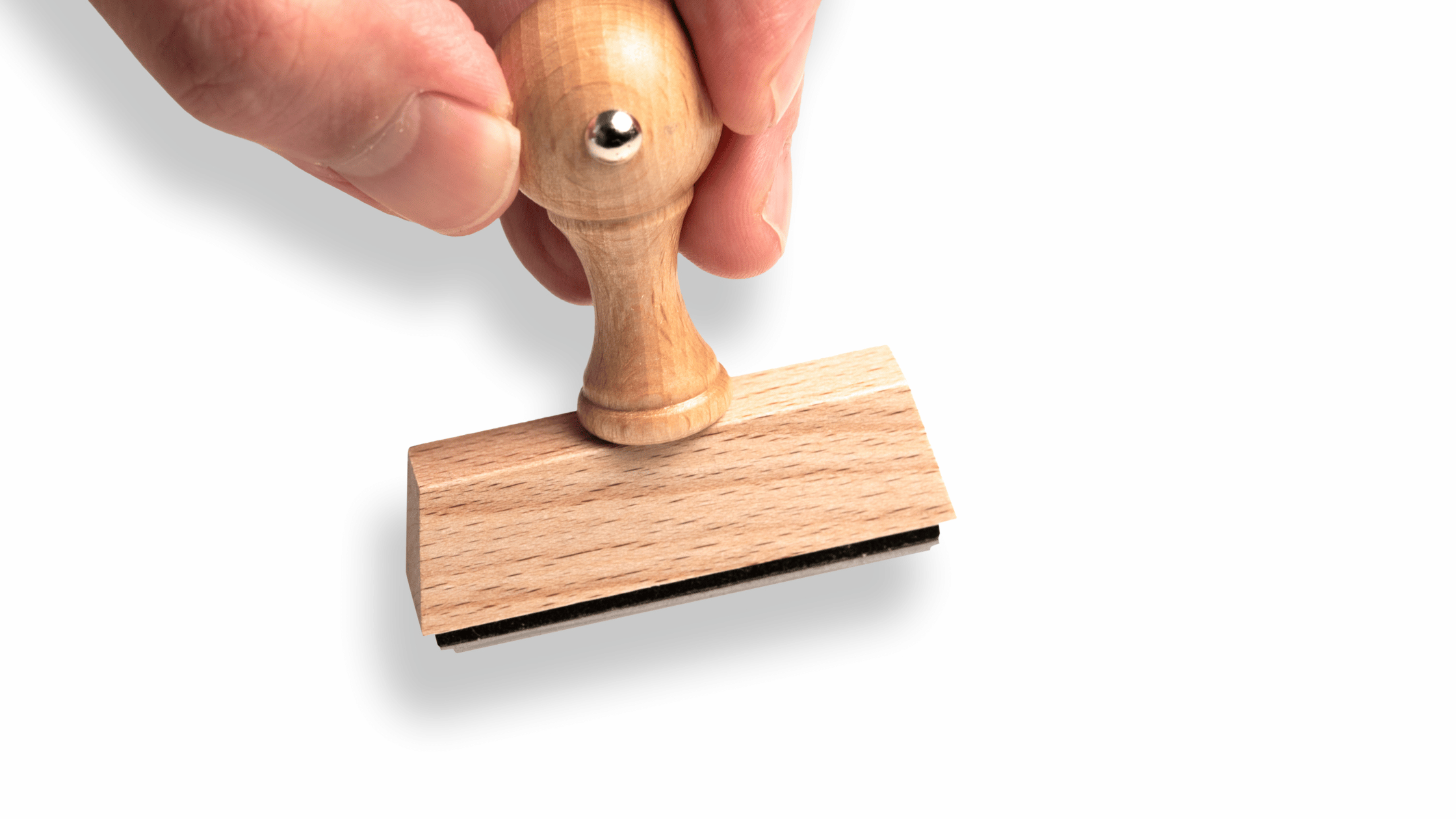
Traditional Rubber Stamps (with Wood or Acrylic Handle)
These require a separate ink pad. They’re simple and often used for craft or occasional use.
- Pros: Affordable, customizable
- Cost: Typically the most budget-friendly option
Takeaway: The more sophisticated the stamp type (e.g., self-inking or pre-inked), the higher the cost due to additional components and engineering.
2. Size of the Stamp
Stamp size directly affects both material use and production effort.
- Small stamps (under 1×1 inch) are cheaper and often used for initials, simple logos, or icons.
- Medium-sized stamps (1×2 to 2×3 inches) are standard for business use and moderately priced.
- Large stamps (3 inches and above) require more rubber, larger bases, and precise cutting, increasing the cost.
Important Note: Larger stamps also require stronger pressure to ensure a clear impression, which may necessitate upgraded handles or mounting materials — adding to the price.
3. Design Complexity
A stamp with a simple “Paid” text will cost less than a stamp featuring a detailed company logo, stylized fonts, or signature replication.
What Adds Complexity?
- Fine lines, small text, or intricate graphics
- Custom fonts or hand-drawn artwork
- Multi-language text
- Signature stamps requiring accurate replication
More complex designs often require:
- Higher resolution production equipment
- Additional design proofing or file formatting
- Manual inspection or trial prints
Tip: Many suppliers charge a design fee if you don’t provide a ready-to-use vector file (e.g., .AI, .EPS, or high-resolution .PDF).
4. Material Quality
The quality of both the rubber surface and the mounting base can impact durability, performance — and of course, cost.
Rubber Types:
- Regular rubber (cost-effective and sufficient for basic use)
- Polymer or resin (used for finer detail, mid-range price)
- Premium rubber (more durable, heat-resistant, and ideal for heavy use)
Handle/Base Materials:
- Wood (traditional, affordable, elegant)
- Plastic or acrylic (clear, modern, mid-range)
- Metal or ergonomic grip (higher-end, designed for frequent use)
Tip: A professional-use stamp made of industrial-grade materials may cost more upfront, but it’s often more cost-effective over time due to its longevity.
5. Quantity Ordered
As with many customized products, ordering in bulk lowers the per-unit price. If you’re ordering multiple stamps (e.g., for departments, franchises, or staff members), many suppliers offer:
- Volume discounts
- Free setup for additional copies
- Package deals for stamp + ink refills
Example: Ordering one stamp may cost $25, but ordering five of the same design might cost $60 total ($12 per stamp).
6. Customization Features
Additional customization can push the price up — but often adds value for branding or convenience.
Optional Add-Ons:
- Color ink choices (black is standard; red, blue, green may cost more)
- Dual-language text
- Logo or seal integration
- Date, number, or rotating stamp features
The more “extra” your stamp includes, the more materials and labor are involved, which increases the cost.
7. Delivery Time and Service Speed
Need your stamp tomorrow? Expect to pay more.
Standard Production:
2–5 business days, usually included in base price.
Rush Orders or Same-Day Pickup:
Some providers offer fast-track services, but charge rush fees for priority printing, proof approval, and courier handling.
Tip: If your stamp is not urgently needed, go with standard production to save money.
8. Supplier or Vendor Reputation
Not all stamp makers are equal. Established, high-reputation vendors may charge more, but they typically offer:
- Better design consultation
- Higher quality materials
- Stronger warranty or satisfaction guarantees
- Professional customer service
Cheaper vendors may compromise on:
- Durability of materials
- Print sharpness
- Turnaround consistency
Consider This: Paying a little more for a trustworthy vendor can reduce reprints, errors, and long-term replacement costs.
Example Price Ranges
To give a rough idea, here’s what you might expect to pay based on type and size (prices in USD or local equivalent):
| Stamp Type | Size | Estimated Price Range |
|---|---|---|
| Traditional Rubber | Small (1×1 inch) | $8 – $12 |
| Traditional Rubber | Medium (2×3 inch) | $15 – $25 |
| Self-Inking | Medium (2×3 inch) | $20 – $35 |
| Pre-Inked | Medium to Large | $25 – $50+ |
| Signature or Logo Stamp | Any size | $30 – $60 (depending on detail) |
Note: These are average retail prices and may vary depending on your region and provider.
Conclusion
The cost of making a rubber stamp depends on more than just its size. From the type of stamp and material quality to design complexity and order urgency, many factors come into play — and each affects not just the price, but the longevity and performance of the stamp itself.
Whether you’re a business looking to enhance efficiency with a company seal or a creative individual seeking custom designs, understanding these pricing factors helps you make smarter decisions. It’s not always about finding the cheapest option, but rather finding the best balance between cost, quality, and purpose.
When in doubt, ask for quotes from multiple suppliers, check their design file requirements, and don’t hesitate to request sample impressions or customer reviews. After all, a well-made rubber stamp is not just a tool — it’s a reflection of your brand, professionalism, and attention to detail.